Renovating to Sell or Renovating to Stay: What Changes
The first renovation question isn't what to fix, it's who the house is being fixed for.
October 27, 2026 · 4 min read
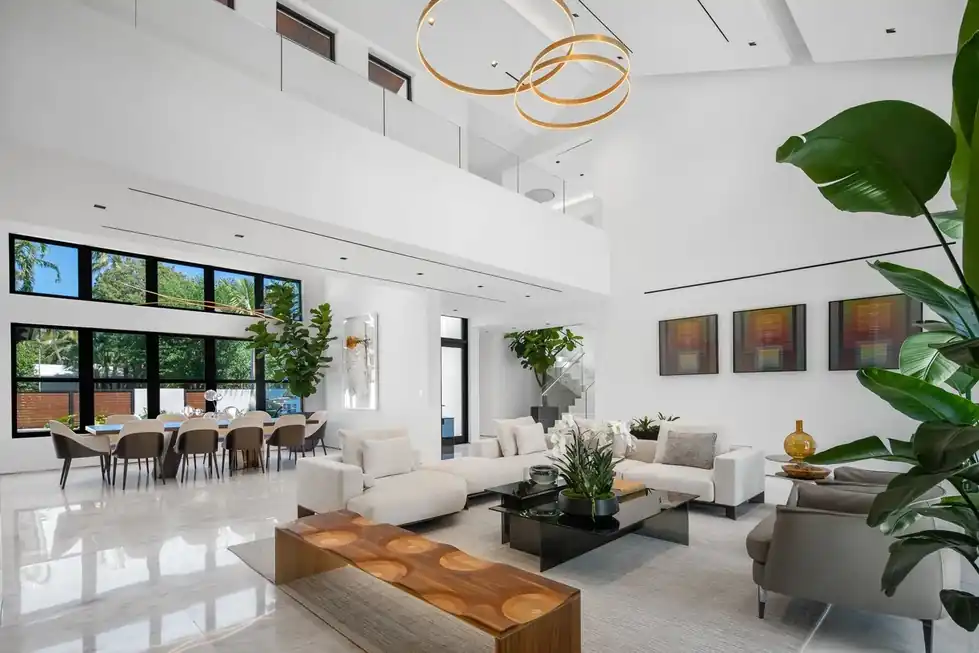
Most renovation conversations start with the wrong question. Homeowners ask what needs fixing, when the better first question is who the house is being fixed for. A kitchen redone for the person who will cook in it every morning is a different project from a kitchen redone for a buyer who will walk through it for twenty minutes. Sometimes the two projects are the same. Often they aren't, and finding out which one you're in before the first tradesperson arrives keeps you from paying for the wrong work.
Start with who the house is for
If you're staying, the house gets to be a little odd in ways that suit you. A wine wall off the dining room, a second office, an island sized for how your family really crowds around it. Those choices make the house better for one household and slightly harder to read for everyone else, and that's fine when you're the household.
If you're selling, the house has to make sense to a stranger in the first thirty seconds. Strangers don't give a layout the benefit of the doubt. When the plan is confusing, they assume the home is smaller, darker or more work than it actually is. A sale-minded renovation spends its effort removing that doubt.
Neither goal is the better one. The mistake is blending them without noticing: spending sale-minded money on a bathroom you'll never use, or personal-taste money on a house that goes on the market next year.
What a buyer notices first
Walk a buyer through a Miami home and attention goes to light, flow and surfaces, usually in that order. Light, because so much of the appeal here is what's outside the glass: water, a courtyard, a pool. Flow, because open sightlines from kitchen to living room to terrace read as larger and easier to entertain in. Surfaces, because stone, wood and tile are what a visitor touches and photographs.
That's why a layout that walls the kitchen off from the backyard can cost a house more than a dated faucet ever will. It's also the logic behind how we describe our own work at ATR Concepts: modernize the outdated layout first, then improve the flow, then finish it well. Finishes can't rescue a floor plan that fights the people using it.
Where the two lists overlap
Some upgrades serve both goals. A new roof and impact windows protect the house you live in, and they answer a buyer's first practical question before it's asked. Casa Club, the Bay Point estate at 4500 Sabal Palm Road, is described with a new roof and impact windows alongside an open-concept kitchen and updated finishes. Nobody photographs a roof, but a buyer who is wondering about the roof isn't looking at the kitchen.
Kitchens and primary baths are the other shared ground. You use them every day and buyers weigh them heavily. The difference is how far you push. When you're staying, you can specify the exact range, the exact drawer depths, the exact tile you've wanted for years. When you're selling, restraint usually wins: good stone, clean lines, and a layout that works for most people, not just one.
Where the lists split
- Stay-only: custom wine storage, a summer kitchen built around how you grill, a closet organized around your own wardrobe, a room whose purpose only you understand.
- Sale-only: neutral and durable finishes, fresh paint where the old paint has aged, rooms whose purpose is obvious on sight, and furniture scaled so each space reads at its true size.
- Both: anything a buyer's inspector would flag, from a tired roof to windows that don't seal.
- Neither: bold decisions made on impulse before you've decided which list you're on.
Casa Exumas shows the stay-leaning end of the range. The Palm Lane home has custom wine storage, a fully equipped summer kitchen, a spa-style primary suite and a Crestron smart system. Those are features a household enjoys daily, and they also happen to be the kind of thing a buyer remembers. The point isn't that every house needs them. The point is that the decision about each one was made deliberately.
A way to decide that takes an afternoon
Make two lists. On the first, write what you'd change if you were staying another ten years. On the second, write what you'd change if the sign went up in three months. Anything on both lists goes first. Anything on only one list waits until you've decided which future you're planning for.
Then look at what's left on the sale list and ask a harder question: would a buyer actually see this, or does it just bother you? Plenty of owners fix what they notice every day and ignore what a visitor sees at the front door. Walk in as if you were arriving for the first time, from the street, and write down the first three things your eye lands on. Those are your priorities, whether or not they're the things that annoy you.
If you want a second set of eyes on the sorting, that's what our Design Consultation is for: advice on materials, layouts and market direction before any work is scoped. Our Renovation & Construction Support picks up from there, managing the trusted professionals who carry out whichever list you settle on.
ATR Concepts, (786) 723-6041
Call (786) 723-6041More articles
What a Home Staging Review Actually Covers
A staging review is a buyer's-eye walk through your home, and it can happen in the house or over video.
Choose Your Finishes as One Schedule, Not One at a Time
Stone, wood and light only work when you pick them together, because each one changes how the others look.